Everyone's Talking About Why. No One's Asking How.
There's a moment I keep noticing in the organizations I work with.
Someone describes how long everything takes to get done, all the layers and approvals standing between an idea and action.
And in almost the same breath, they say there's no time to slow down to talk about risk or concerns. No open invitation to challenge an assumptions or try something new.
I used to live inside that same contradiction.
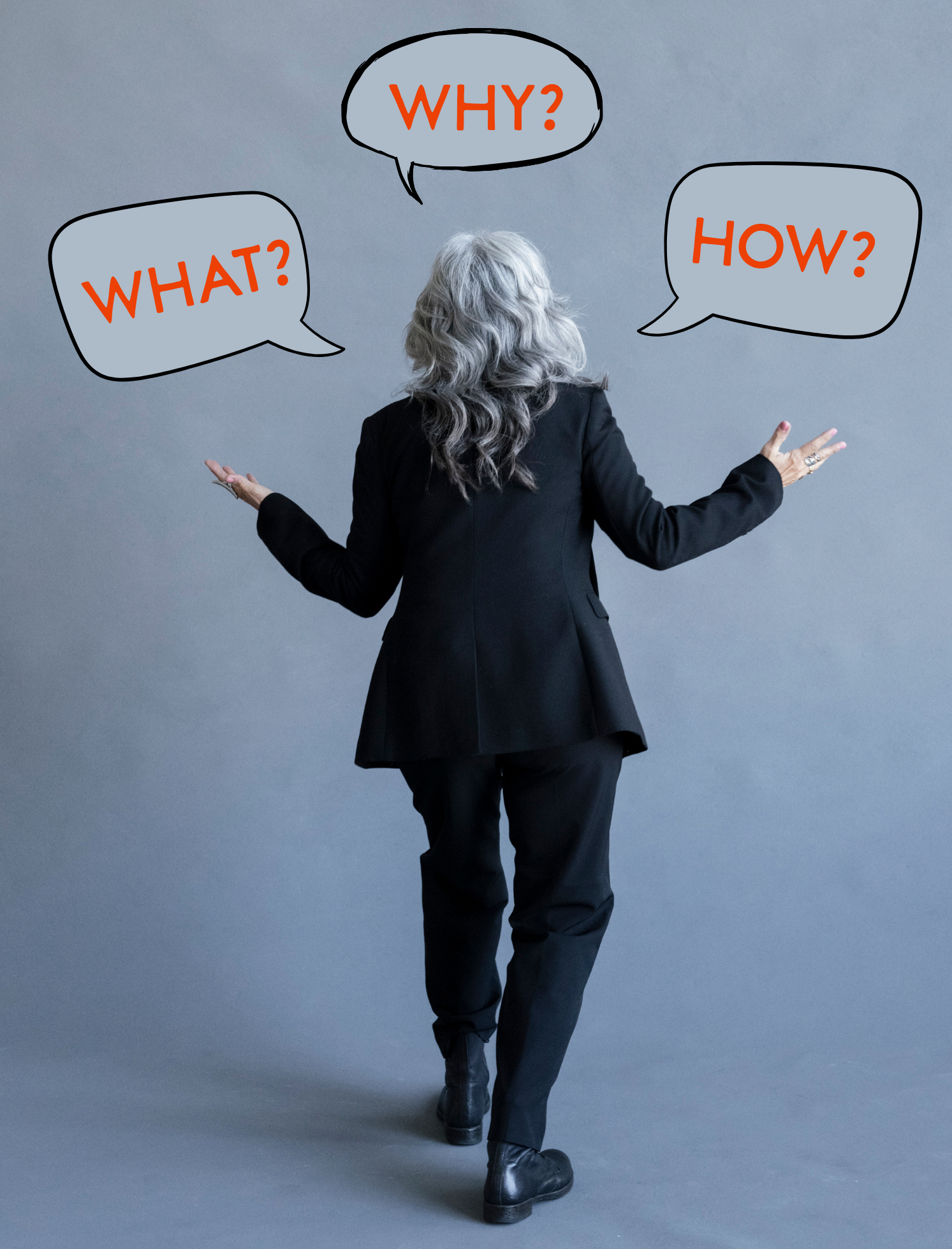
Most organizations think in terms of what and why. The what is the work itself, the product, the project, the outcome. The why is the purpose behind it, the reason any of it matters. But there's a third layer underneath both of those, and it gets almost no attention. The how is the daily texture of getting the work done: the standards we actually hold ourselves to, the way we treat each other under pressure, whether we make real room for a new idea or just say we do.
Twenty years in corporate product development taught me how to hit a number, manage a team, keep things moving. What it didn't teach me was how to bring my actual values into the room. I cared about people and connection and doing things the right way, and none of that showed up in how decisions got made. I left my values at the door every morning and picked them back up on my way out.
Simon Sinek taught a lot of us to get clear on our why, and I'm grateful for that gift. Knowing your purpose changes everything. But your why can be crystal clear and still mean nothing if your how doesn't carry it.
Sigal Barsade and Olivia O'Neill wrote about something similar years ago. They found that companies pour energy into their cognitive culture, the stated values and mission, while leaving their emotional culture, how people actually feel doing the work, completely unmanaged. That's exactly what happens with the how. We write the values down and assume they'll show up on their own.
They don't. The how gets built one choice at a time, whether we're paying attention or not.
And that means something good: the leaders in the middle of an organization, the ones who touch everything and set the tone for everyone around them, already hold real power. They don't need permission from the top to change how a meeting runs or whether someone gets space to speak up. That power is theirs right now.
I built my whole practice on this idea. When I left corporate, I stopped trying to succeed in a place where my how didn't match my why. Now I get to help people close that gap for themselves.
Not what are we building or even why does it matter, but how are we going to do this in a way that actually lives out what we say we believe. Get that right and everything moves faster. People speak up. Ideas get tried. And the why stops being a poster on the wall and starts being something people feel every day.