Be the Lighthouse, Not the Lifeboat
A reflection on presence, boundaries, and the art of
guiding without rescuing

There's a moment in coaching when everything crystallizes into a single image.
A leader that I’m coaching arrived to the session depleted. A colleague was creating real damage — to team dynamics, to business results, to the people around them — and this leader had been quietly absorbing the fallout.
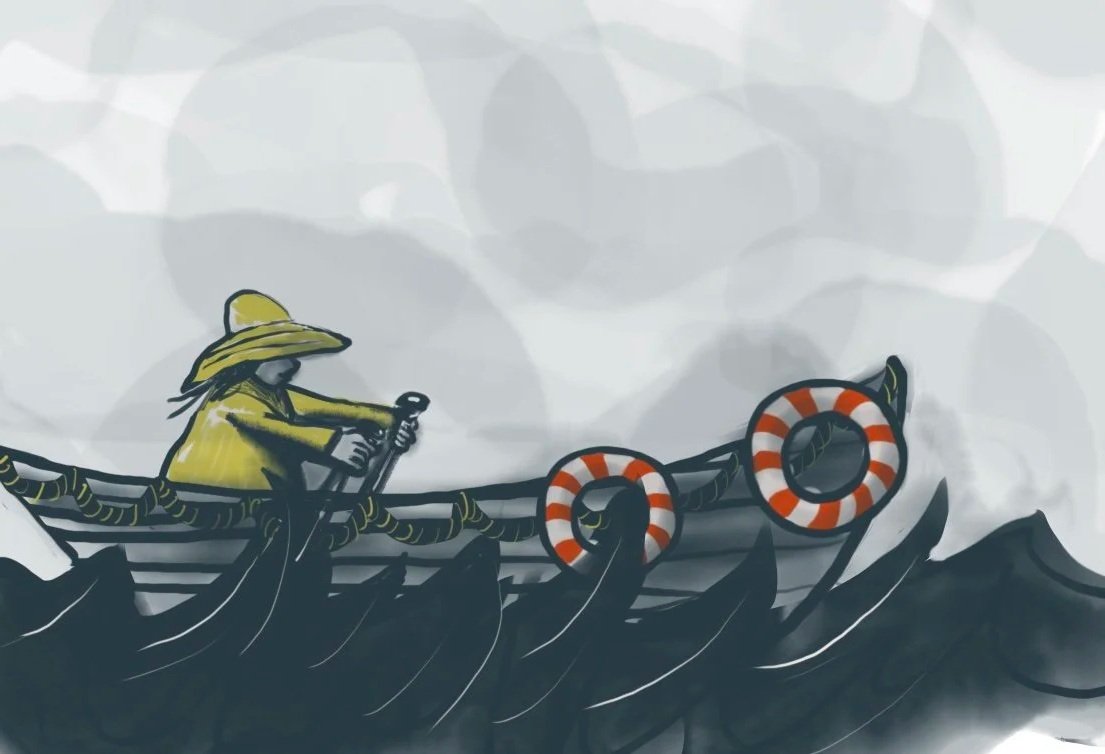
They did what many good humans do: my client became a lifeboat.
They rowed out to rescue whoever was struggling, absorbed the dysfunction, covered gaps, and carried weight that wasn't theirs to carry.
The executive to whom they both reported had the positional authority to address this directly. Instead, the boss kept redirecting: You deal with it. You can handle it. The emotional labor of managing a difficult colleague was handed, without title or leverage, to someone else. There was no power to manage performance or set expectations for required change — just direction to keep the water calm. Meanwhile, feeling cornered, my client’s difficult colleague dug in harder.
Things got worse.
The lifeboat has a cost
When someone competent keeps compensating
for someone who isn't, the organization never has
to reckon with the real problem. The dysfunction becomes load-bearing.
This leader’s lifeboat was, unintentionally, keeping everyone — including the boss — comfortable enough to avoid the harder conversation.
The impulse to protect people wasn't wrong. But intention and impact are different things.
What the lighthouse does differently
A lighthouse doesn't row out to meet you. It stands firm, shines, and tells you the truth about where the rocks are.
We reframed the approach around one question: what does the light illuminate? This leader gathered specific data — not impressions, not "this person is just difficult," but documented decisions, measurable impacts, dates and numbers and names. The language shifted from I'm frustrated to here is what is happening and here is what it is costing us. We prepared a strategy to go to the boss not asking for sympathy but naming a structural problem and requesting that the person with actual authority take actual action.
The mantra that stuck: be the lighthouse, not the lifeboat.
It became a decision point. Am I about to shine a light — or am I about to grab an oar?
It shows up everywhere
Once you see the dynamic, you see it in every relationship.
We do it with our kids. The project is due Monday, it's Sunday night, and somehow you are the one still awake at midnight finishing it for them. You told yourself you were helping. You were rescuing. And now they'll turn in work that isn't theirs, learn nothing about planning ahead, and probably do the exact same thing next month — because it worked out fine last time.
The lighthouse version of parenting says: I see what's hard here, and I believe you can figure it out — even when figuring it out means a hard-earned B minus and a lesson about Sunday nights that sticks for life. We can shine light on the timeline, on what's realistic, on what the consequences might be. We just can't do it for them.
We do it with our kids' friend drama, with partners in a rough patch, with close friends heading toward a decision we can see is going to hurt. The instinct to rescue is real and it comes from love. But some lessons cannot be received secondhand. The lighthouse's job is not to guarantee safe passage. It's to make sure the rocks are visible. If someone rows into them anyway, that's their choice, and sometimes the crash is the only teacher that actually lands.
Steady, not distant
A lighthouse is not cold. It is consistently, reliably present — exactly where it needs to be. It doesn't dim its light to avoid being inconvenient.
Lifeboat energy looks like love but often contains anxiety — the rescuer's own discomfort with someone else's struggle. Lighthouse energy trusts that others have capacity. It offers clarity instead of rescue, presence instead of solutions.
The most powerful thing my client said to the boss — after preparation — was not a request for sympathy. It was a specific description of what was happening, what it was costing, and a direct ask for the person with authority to use it.
This leader didn't solve it for the boss. Instead, shone a light on it, followed-up consistently, and waited.
That's the work.
Where in your life are you rowing a lifeboat when a lighthouse would serve better?
Tres Jiménez is an executive coach and organizational consultant. She works with leaders navigating change, complexity, and the occasional toxic colleague.
Find her attresjimenez.com.