The Emotional Inheritance I Chose to Transform
I come from a long line of people who felt their feelings loudly and unapologetically.
My father was Cuban, and in our household, emotions weren't just expressed—they exploded, ricocheted off walls, filled rooms with passionate arguments and equally passionate laughter. Volume was love. Intensity was engagement. If you weren't raising your voice, were you even participating in the conversation?
My father never once considered changing this about himself. Neither did anyone else in my wonderful, loving Cuban family. Why would they? This was connection. This was authenticity. This was culture.
But somewhere along the way, I noticed something: it didn't actually feel that great to let my emotions own me.
That realization made me the first in my lineage to do the heavy lifting—for myself and, I like to think, for all my ancestors—of becoming more emotionally intelligent.
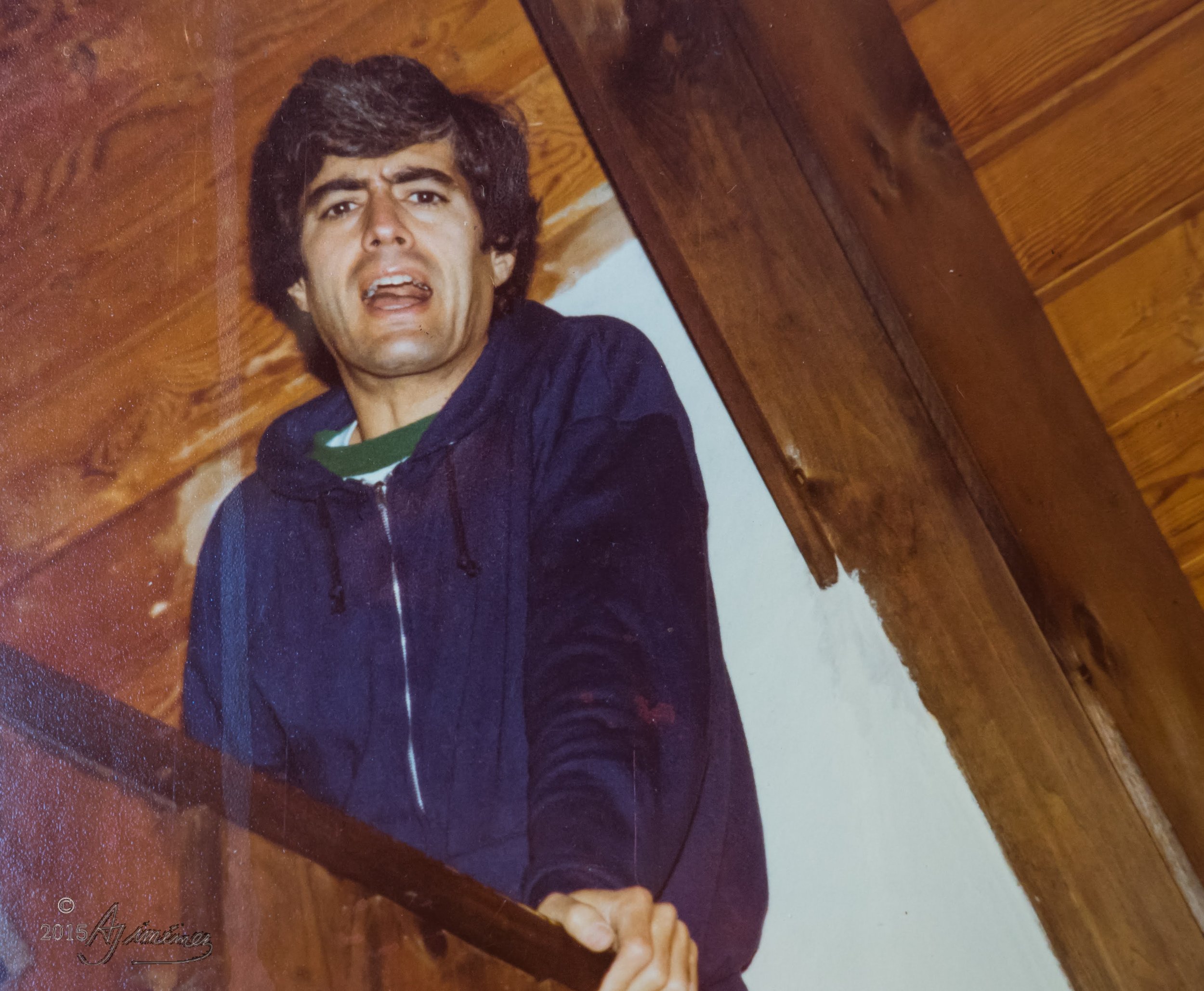
Volume was love.
Intensity was engagement. If you weren't raising your voice, were you even participating in the conversation?
The Four Domains That Changed Everything
I was a young manager when I first attended a workshop on emotional intelligence through the lens of Daniel Goleman's framework. The four domains he outlined weren't just concepts to me—they became a blueprint for transformation:
Self-Awareness: Understanding my own emotions, their history, and their source.
Self-Management: Managing those emotions with intention rather than letting them run the show.
Social Awareness: Noticing emotions in others and responding in a neutral, helpful way.
Relationship Management: The domain that emerges when you do the other three well—and becomes the ultimate intention of the work.
That last one hit differently. Relationship management isn't about controlling others or suppressing yourself. It's about creating the conditions where genuine connection can happen without someone needing earplugs.
Inheriting Pride, Choosing Growth
I carry my father's cultural pride with me. I carry the permission he gave me—through his example—to be fully myself, to feel deeply, to show up with passion. Those are gifts I wouldn't trade.
But I also chose to add something he didn't: the capacity to pause between feeling and expressing, to ask myself what I actually need in a moment, to consider what might serve the relationship rather than just what wants to burst out of me.
This wasn't rejection. It was evolution.
I became certified as an EQ coach and practitioner, and I still approach this work as a living witness to how hard it is rather than as an expert who's arrived somewhere final. Because here's the truth: emotional intelligence isn't a destination. It's a practice. And some days, my father's voice still wants to take over the conversation.
Why This Matters for All of Us
Emotional intelligence research consistently shows that people with higher EQ experience better relationships, greater career success, and improved mental health. A meta-analysis published in the journal Emotion found that emotional intelligence predicts job performance across diverse occupational groups and is particularly crucial for roles requiring interpersonal interaction.
But beyond the data, here's what I've witnessed in my own life and in the lives of the people I coach: when you develop emotional intelligence, you don't lose your capacity to feel deeply. You gain the ability to feel deeply and choose what to do with that depth.
You can honor your heritage while also honoring your relationships.
You can be authentic without being overwhelming.
You can feel everything without letting everything own you.
The Living Practice
These days, when I work with clients on emotional intelligence, I share my story not as proof that I've figured it all out, but as evidence that the work is worth doing. The four domains aren't boxes to check—they're ongoing practices that deepen over time.
Self-awareness means continuing to discover new layers of why you react the way you do. Self-management means catching yourself a little earlier each time, managing with a little more grace. Social awareness means staying curious about what's happening for others even when your own feelings are loud. And relationship management? That's the dance that never ends, the art of staying connected while staying true to yourself.
I think my father would be proud, even if he wouldn't quite understand why I chose this path. I'm doing the work he never wanted to do, but I'm doing it with the passion he taught me was essential to being fully alive.
And that feels like the best kind of inheritance—the kind you can transform while still honoring where it came from.
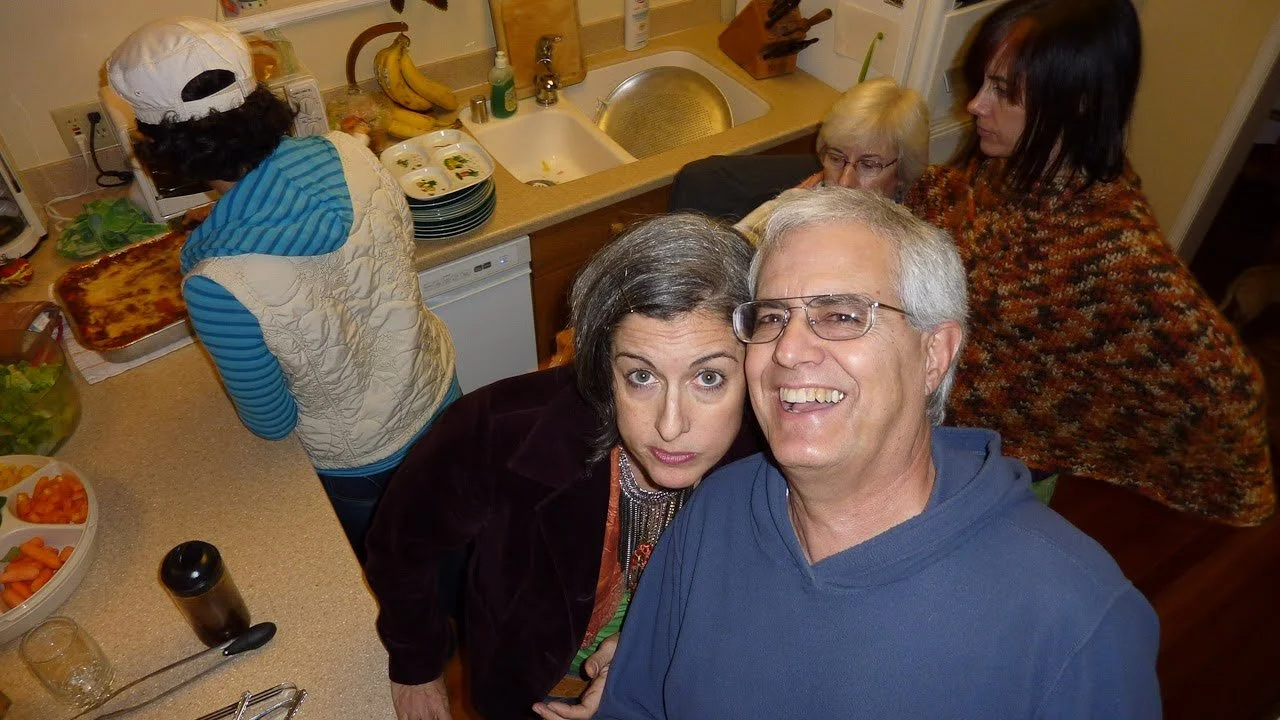
My Dad mellowed out so much once all of the grandkids were born. Those were the sweetest years with him.
I miss him every single day.