The Work of Being With What Is

I read Jack Kornfield’s piece about bowing to the moment, and I felt something tighten in my chest. Not because it’s wrong, but because it’s so relentlessly right, and recognizing truth doesn’t make living it any easier.
He writes about being late for an appointment and being further delayed by the stoplight, and that moment where irritation dissolves into blue sky and the recognition that clenching your jaw doesn’t change red lights to green. I know that moment. I also know the thousand moments before it where I held tight anyway, where I chose the familiar tension over the unfamiliar peace because at least tension feels like I’m doing something.
This is my work. Not the beautiful version where everything flows and I’m always gracefully accepting what is. The actual work, where I stand in my kitchen after a difficult client call and notice my whole body wanting to argue with reality. Where I catch myself rehearsing conversations that already happened, trying to rewrite them into something more comfortable.
The thing nobody tells you about spiritual practice is how mundane and repetitive it is. It’s the same bow, over and over. To the meeting that went sideways. To the person who misunderstood. To the plan that fell apart. To the anger that showed up uninvited. To the fear that thinks it’s protecting you.
Kornfield says when you bow to anger, it becomes energy rather than poison. I believe him. I’ve experienced it. But I also know that tomorrow I’ll forget this and treat my anger like an enemy again, because that pattern is worn deep. The groove is well-traveled.
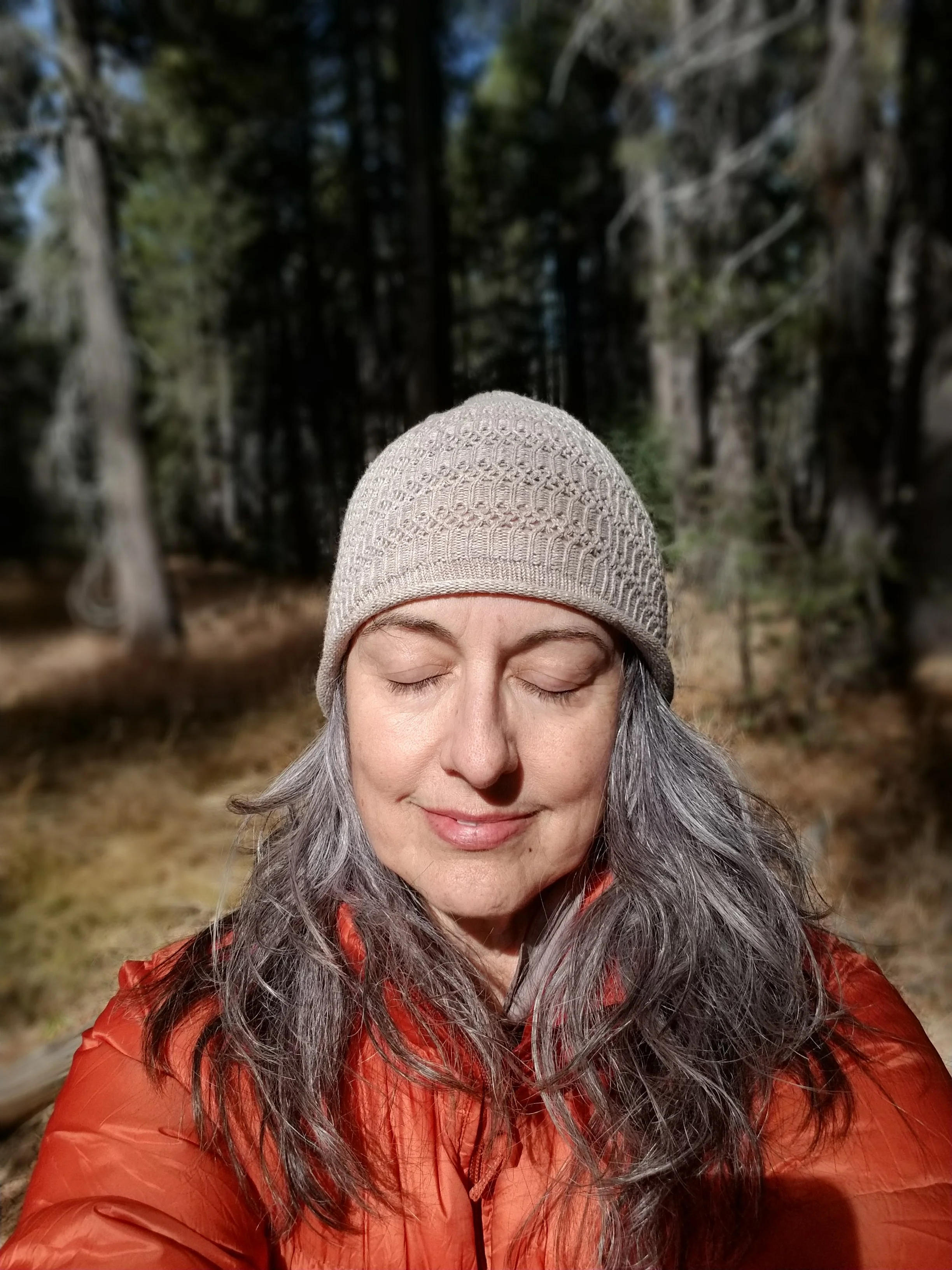
So why do this work at all?
Because it’s how I make my world better.
Not through grand gestures or perfect execution, but through the small, unglamorous practice of meeting myself and others with a little more presence.
Because it’s how I make my world better. Not through grand gestures or perfect execution, but through the small, unglamorous practice of meeting myself and others with a little more presence. When I can bow to my own irritation at that stoplight, I can bow to my colleague’s defensiveness. When I can bow to my own fear, I can hold space for someone else’s.
This is facilitator work. Coach work. The work of someone trying to help organizations and humans be more collaborative, more connected, more real with each other. I can’t take people anywhere I won’t go myself. And “anywhere” includes all those uncomfortable places where life isn’t cooperating with my preferences.
Kornfield asks if we can meet life as it is. Most days, my honest answer is “partially” or “eventually” or “I’m working on it.” And that’s the practice too—bowing to the fact that I’m someone who has to learn the same lesson repeatedly, who forgets and remembers and forgets again.
The world doesn’t need my perfection. It needs my willingness to keep showing up, to keep practicing the bow even when I’m tired of bowing, even when it feels like nothing’s changing. Because here’s what I’ve learned in rooms full of people trying to work together: transformation happens in the small gestures of acknowledgment, in the willingness to say “this is hard” and stay present anyway.
So I’ll keep doing this work. Not because I’m good at it, but because it’s mine to do. One moment, one breath, one imperfect bow at a time.
That’s how I make my corner of the world a little more human.